


By Fr. Michael Nsikak Umoh
Upon arrival at the serene environment of Our Lady & St. Kizito Pastoral Centre in Ede, on 10 September 2026, the first session of the Bishops on the following morning was a meeting with the representatives of the Nigerian Catholic Diocesan Priests Association (NCDPA).
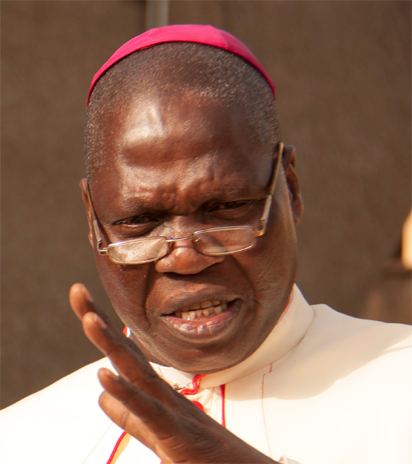
In his address to the body at the biennial interaction session, the President of the Catholic Bishops Conference of Nigeria (CBCN), Most Rev. Matthew Man-Oso Ndagoso, urged Catholic priests across the nation to elevate the moral quality of public life while safeguarding the sanctity of their priestly identity by exercising prudence, charity, and digital responsibility in their use of social media platforms.
The Archbishop of Kaduna emphasised that while digital spaces offer profound opportunities for modern evangelisation, a priest’s online presence must remain a beacon of truth and communion rather than a forum for divisive rhetoric or self-promotion. Speaking on the overarching theme, “From Pulpit to Polls: Priests as Non-Partisan Mobilisers for Credible Elections,” the CBCN President reminded the assembly that elections in Nigeria are not merely political exercises, but critical moral moments that directly impact human dignity, peace, and social justice. He stressed that the true strength of a priest’s public witness lies in forming consciences, inspiring ethical civic participation, and remaining “a father to all and captive to none.”
The address highlighted five central pillars for pastoral renewal and ministerial integrity in contemporary society:
Firstly, is on the Non-Partisan Leadership, where priests are called to educate the faithful on moral principles, champion the common good, and reject vote-buying and political violence without becoming political brokers or campaign agents.
Secondly, is on the Digital Responsibility, where online engagement must seek charity, truth, and sound formation, ensuring that digital platforms are used exclusively to build up the Church and foster unity.
Thirdly, is on Financial Stewardship, where managing Church resources transparently is a sacred spiritual duty that preserves public trust and safeguards the credibility of the gospel message.
The fourth point raised by the Archbishop is on the Ecclesial Communion, where personal apostolates and healing ministries must operate under the authority of the diocesan Bishop to avoid personality cults and preserve the collective mission of the local Church.
The last point is on Shared Holiness and Collaboration, which seeks to deepen the theological and pastoral bond between Bishops and priests, while emphasising personal prayer and mental well-being, and serves as the ultimate foundation for effective evangelisation.
Concluding on a note of gratitude for the sacrifices and dedication of Nigerian diocesan priests serving in parishes, mission stations, and educational institutions, Archbishop Ndagoso urged all priests to ground their public service in personal holiness. “Before he can shape society, he must be rooted in Christ,” the CBCN President declared, calling on all ministers to live transparently and preach the Gospel with renewed hope and courage.

